New Delhi, May 1:
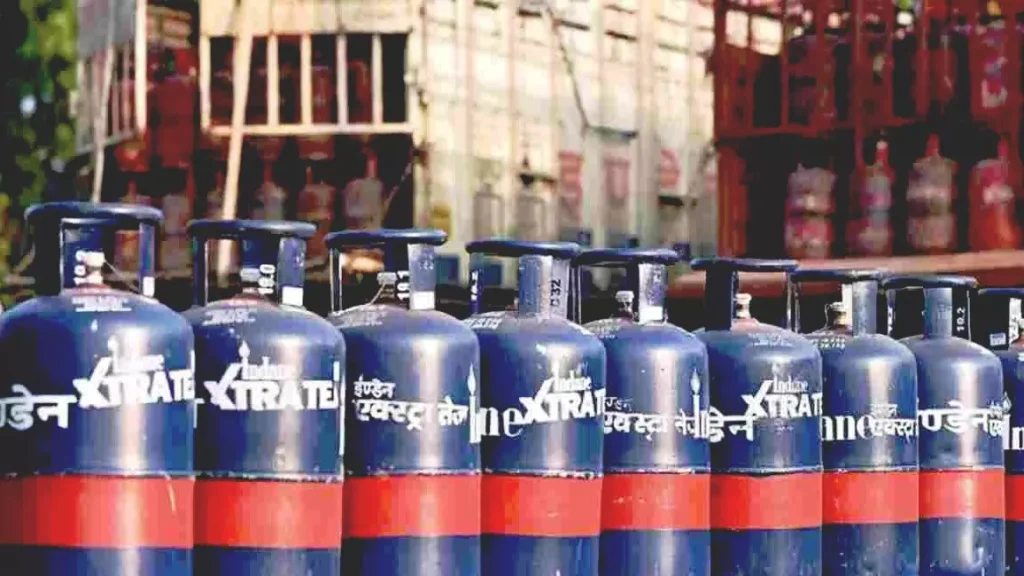
In a major development affecting the food and hospitality industries, state-owned oil marketing companies have announced a steep revision in the prices of commercial cooking gas.
Effective May 1, 2026, the cost of a 19 kg commercial LPG cylinder has been raised by ₹993, pushing its price in Delhi to ₹3,071.50. Similarly, the 5 kg Free Trade LPG (FTL) cylinder has seen a price hike of ₹261.
However, the government has spared the domestic sector from immediate revisions, keeping the price of the 14.2 kg domestic cylinder unchanged for approximately 33 crore households nationwide.
Key Takeaways of the Latest LPG Price Revision
The latest monthly pricing update brings substantial cost variations across both commercial and domestic categories:
| Cylinder Category | Old Price (Delhi) | New Price (Delhi) | Net Price Change |
| 19 kg Commercial | ₹2,078.50 | ₹3,071.50 | + ₹993 |
| 5 kg Free Trade LPG (FTL) | Market rates vary | Varies by vendor | + ₹261 |
| 14.2 kg Domestic | ₹913.00 | ₹913.00 | Unchanged |
What’s Driving the Price Surge?
The significant increase in the commercial LPG segment is tied directly to the ongoing volatility in international energy markets.
-
West Asia Tensions: Ongoing geopolitical instability in West Asia has pushed global crude oil prices higher. On Thursday, Brent crude surged to $126 per barrel before settling at $113 per barrel on Friday.
-
Import Dependency: Since India imports roughly 60% of its domestic LPG requirements, domestic commercial gas prices are strictly pegged to international benchmarks.
-
Periodic Adjustments: While domestic rates are strictly calibrated to shield citizens from inflationary pressures, commercial rates are revised on the first day of every month by oil marketing companies like Indian Oil Corporation (IOC), Bharat Petroleum (BPCL), and Hindustan Petroleum (HPCL).
Impact on Businesses and Consumers
While household budgets will remain untouched for now, the hospitality and catering sectors are bracing for higher operating expenses.
Establishments such as restaurants, bakeries, hotels, and roadside food vendors rely heavily on the 19 kg cylinders. Restaurant associations and trade groups have noted that a spike of this magnitude might force business owners to pass on some of the added operational costs to consumers, potentially driving up dining and takeaway prices in the coming weeks.