Jammu:
The Jammu and Kashmir Border Area Development Conference (JK-BADC) has formally reached out to the Government of India and the UT administration, urging the creation of a specialized insurance framework for families living along the International Border (IB) and the Line of Control (LoC).
The organization, which advocates for the welfare of border and tribal populations, highlighted the unique and persistent risks faced by thousands of families who remain on the frontlines of regional instability.
Living Under Constant Uncertainty
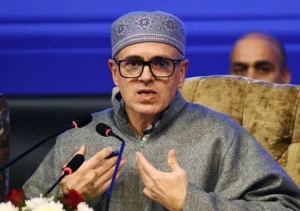
In an official statement, Dr. Shazad Ahmed Malik, Chairman of JK-BADC and former Vice Chancellor, pointed out that residents in districts such as Poonch, Rajouri, Kathua, Jammu, Samba, and several districts in Kashmir face a life of perennial disruption.
The Key Risks Identified:
-
Cross-Border Shelling: Frequent threats to life and physical safety.
-
Sudden Displacement: Forced evacuations during escalations.
-
Economic Loss: Destruction of standing crops and the loss of livestock—often the primary source of livelihood.
-
Infrastructure Damage: Shelling-induced damage to residential houses.
Why Compensation Isn’t Enough
While the government currently provides ex-gratia relief after unfortunate incidents, Dr. Malik argued that a comprehensive insurance scheme is the only way to provide institutional stability.
“A government-supported policy covering accidental death, injury, house damage, and livestock loss would provide a sense of security. It ensures timely financial assistance and reduces the crushing economic burden on families in these sensitive zones,” Dr. Malik stated.
The Proposed Policy Scope
The JK-BADC is calling for a broader welfare policy that moves beyond ad-hoc payments toward a structured insurance mechanism. This would specifically cover:
-
Accidental Death & Injury resulting from border-related violence.
-
Property Insurance for houses damaged by shelling.
-
Agriculture & Livestock Protection against loss caused by border tensions and displacement.
The conference urged authorities to view this proposal as a critical component of national security and social justice for the citizens who act as the “first line of defense” for the country.