Jammu, April 14:
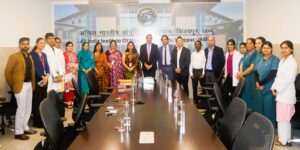
In a significant leadership transition for one of Jammu and Kashmir’s most enduring humanitarian organizations, renowned columnist and legal scholar Satwant Singh Rissam has been appointed as the new President of the Young Blood Association (YBA).
The appointment marks a new chapter for the YBA, which has stood as a pillar of voluntary service in the region for nearly half a century.
A Legacy of Life-Saving Service
For 45 years, the Young Blood Association has been at the forefront of health advocacy in J&K. The organization is widely recognized for its relentless commitment to:
-
Mega Blood Donation Camps: Organizing large-scale events to bolster local blood banks.
-
Emergency Response: Mobilizing donors during critical shortages and medical emergencies.
-
Hospital Partnerships: Maintaining a seamless bridge between voluntary donors and healthcare facilities.
-
Awareness Drives: Educating the youth on the vital importance of regular blood donation.
New Leadership, Fresh Vision
Dr. Satwant Singh Rissam brings a powerhouse of academic and professional expertise to the role. Holding a PhD in Law, Rissam is a well-known journalist, author, and media expert. His background in heritage conservation and public health advocacy provides him with a unique perspective on community building.
“United efforts will ensure no one in need goes without,” Rissam stated following his appointment.
In his inaugural address to the association, President Rissam called for a renewed spirit of innovation and cooperation. He urged members to evolve their strategies to meet the expanding health and welfare needs of society, aiming to scale the organization to “new heights.”
| Feature | Details |
| Name | Dr. Satwant Singh Rissam |
| Background | Law (PhD), Journalism, Heritage Conservation |
| Core Expertise | Media, Communications, Public Health Advocacy |
| Mission | Modernizing humanitarian outreach and blood donation networks |
As the YBA enters its 46th year, the community looks toward Rissam’s leadership to bridge the gap between traditional voluntary service and modern healthcare challenges in Jammu and Kashmir.