Jammu, Feb 26:
Taking a stern view of the crumbling healthcare infrastructure in the region’s premier medical institutions, the High Court of Jammu & Kashmir and Ladakh has demanded immediate accountability from health authorities.
On Wednesday, a Division Bench comprising Chief Justice Arun Palli and Justice Rajnesh Oswal expressed deep concern over reports that critical diagnostic machinery has been lying defunct for months, forcing poor patients to turn to expensive private clinics.
The “Diagnostic Blackout”
The Court highlighted a worrying lack of essential medical services across three major hospitals in Jammu:
-
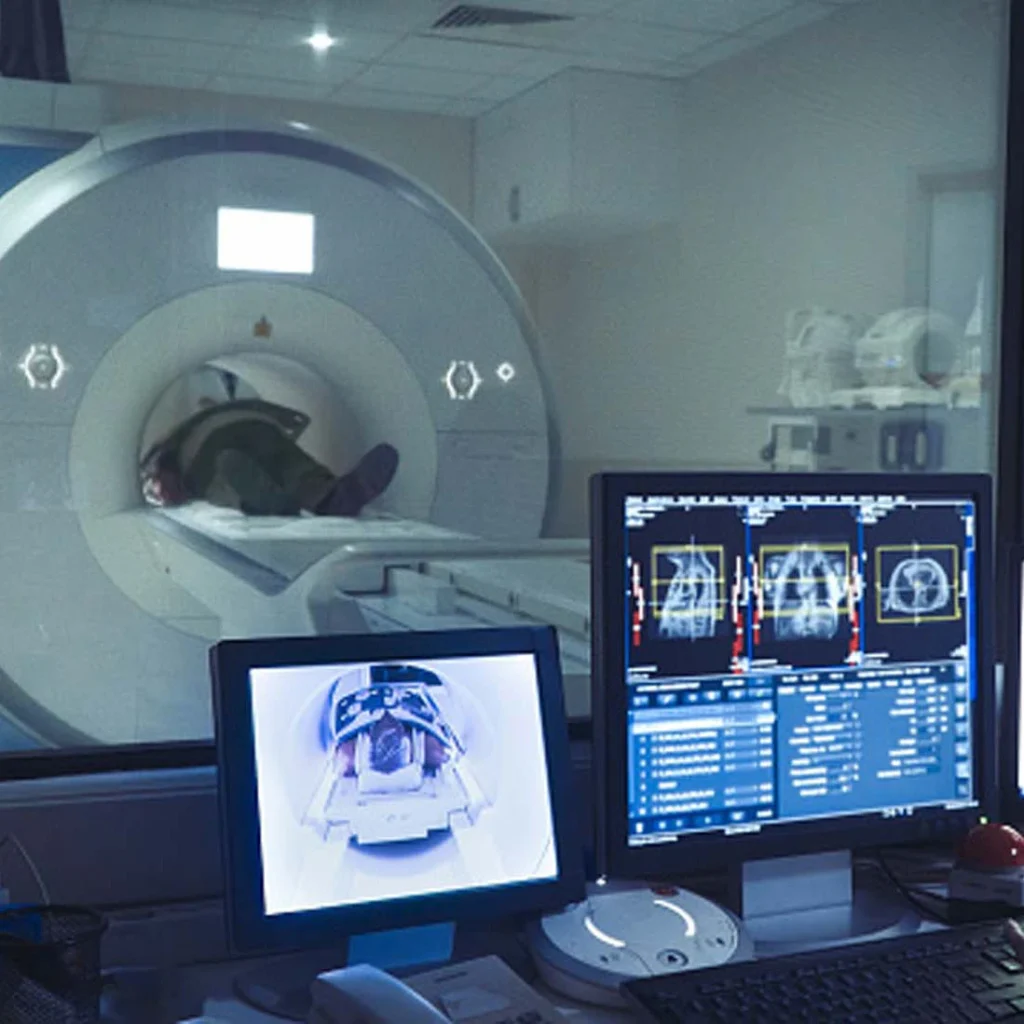
GMC Jammu: The only MRI machine has been non-functional for over one-and-a-half months.
-
Super Specialty Hospital (SSH): A CT scan machine has reportedly been defunct for over a year.
-
SMGS Hospital: A second CT scan machine has also been out of order for more than a year.
Court Orders Immediate Action
The Division Bench was hearing a suo motu Public Interest Litigation (PIL), originally triggered by reports of a sudden halt in life-saving cardiac procedures due to a shortage of stents and consumables.
Key Judicial Directives:
-
Affidavit from GMC Principal: The Principal of Government Medical College (GMC), Jammu, must file a detailed affidavit by March 9, 2026, explaining why these vital machines have not been repaired or replaced.
-
IO Personal Appearance: Displeased with reports that a related police complaint was closed as “not proved,” the Court has ordered the Investigating Officer (IO) to appear in person on the next date of hearing with the original case diary.
- Amicus Curiae Intervention: Advocate Sheikh Shakeel Ahmed, assisting the court, emphasized that authorities have remained “unmoved” despite widespread media coverage, leaving patients at the mercy of private players charging exorbitant costs.
Impact on Common Citizens
The lack of functional machinery at GMC Jammu—the primary referral center for the entire province—has created a massive backlog. While a scan at a government facility costs roughly ₹2,300, private labs often charge upwards of ₹5,000, a price tag that many families in the region simply cannot afford.
The Registry has been ordered to re-notify the PIL for March 9, 2026, marking a critical deadline for the health department to provide a roadmap for restoring these essential services.